Douglasville Residents Stand Firm: No More Data Centers

Douglas County Said No
The denial of a massive data center proposal showed what happens when a community refuses to let development silence its future.
Editorial by Beatz and Culture Media Group | July 2026
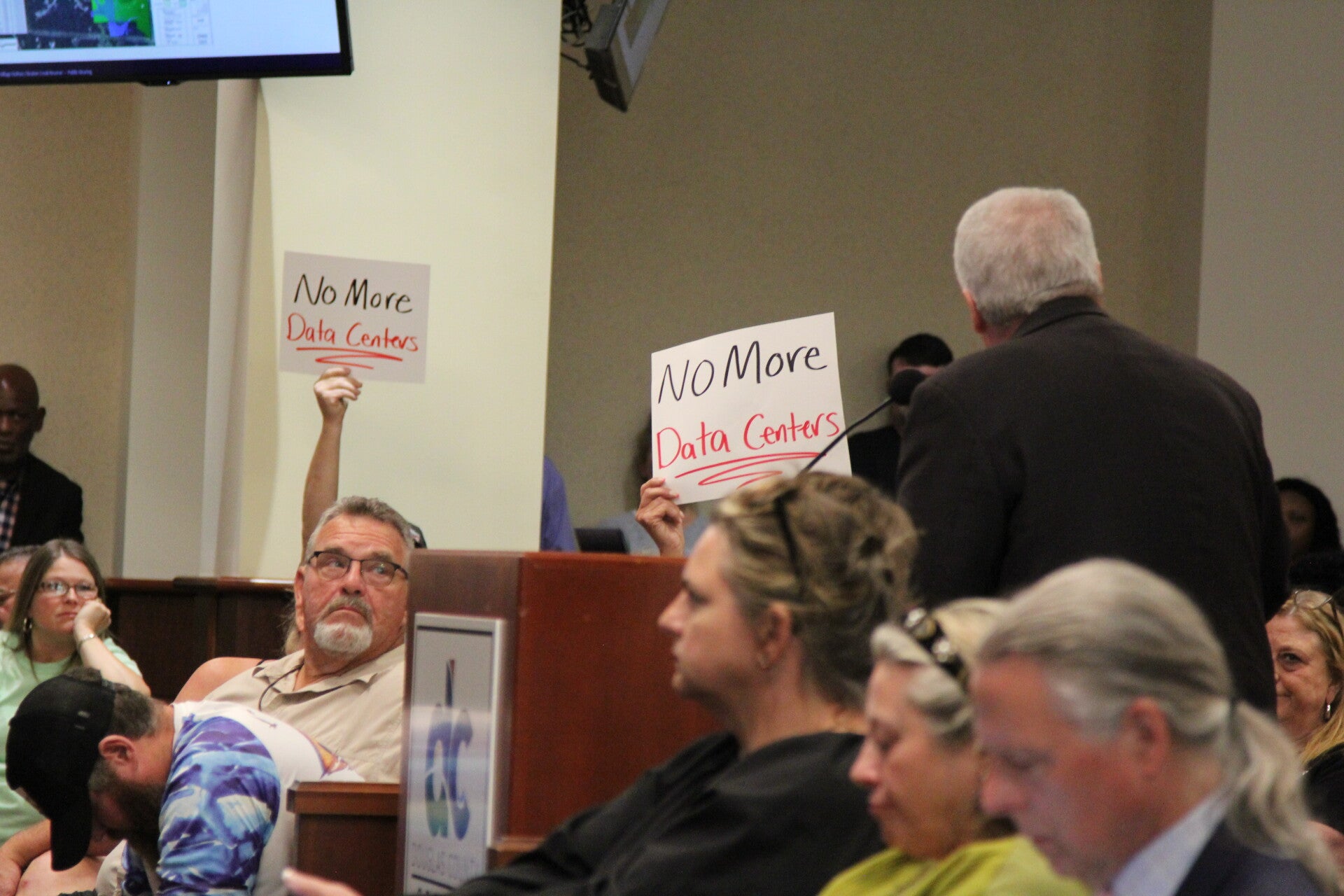
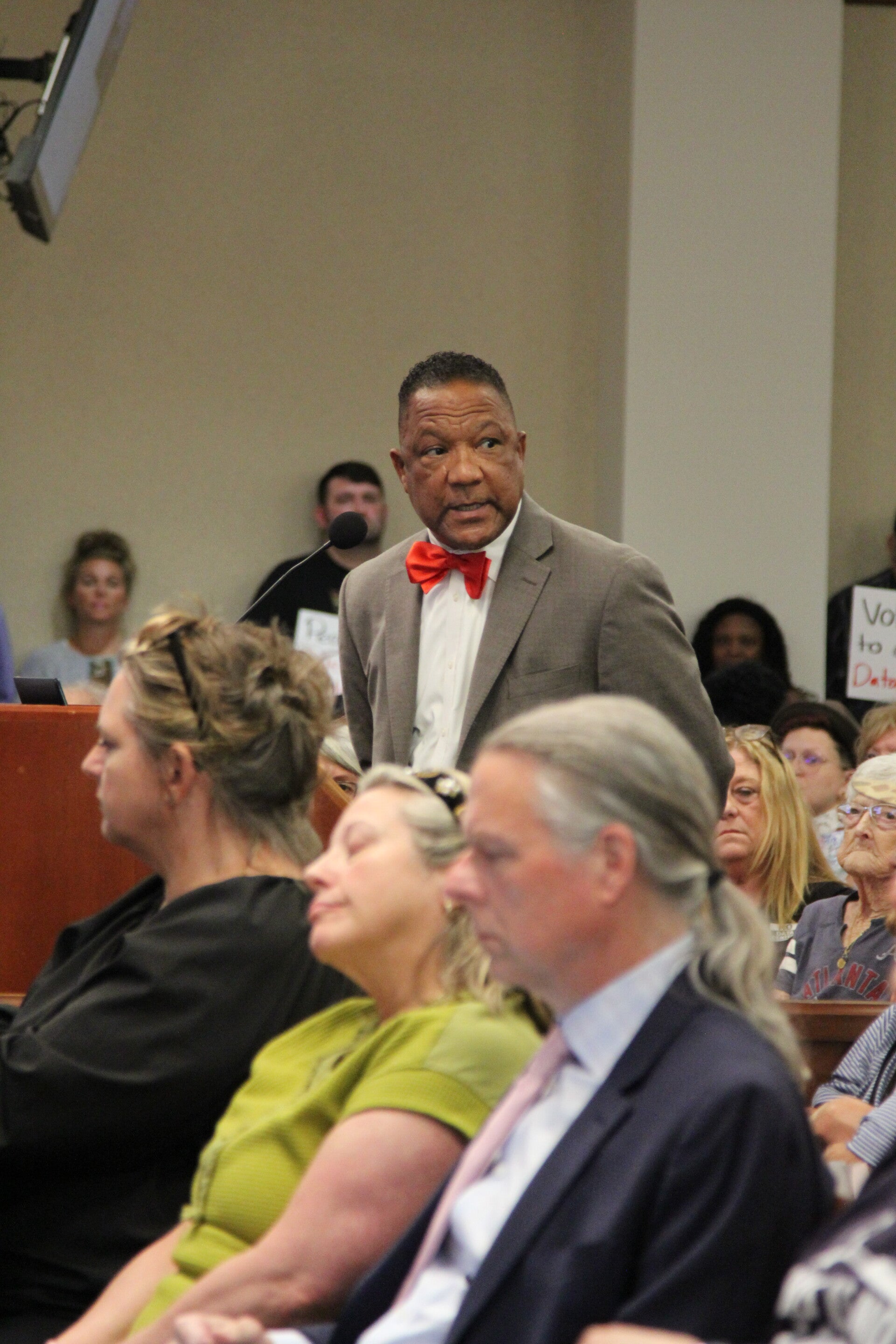
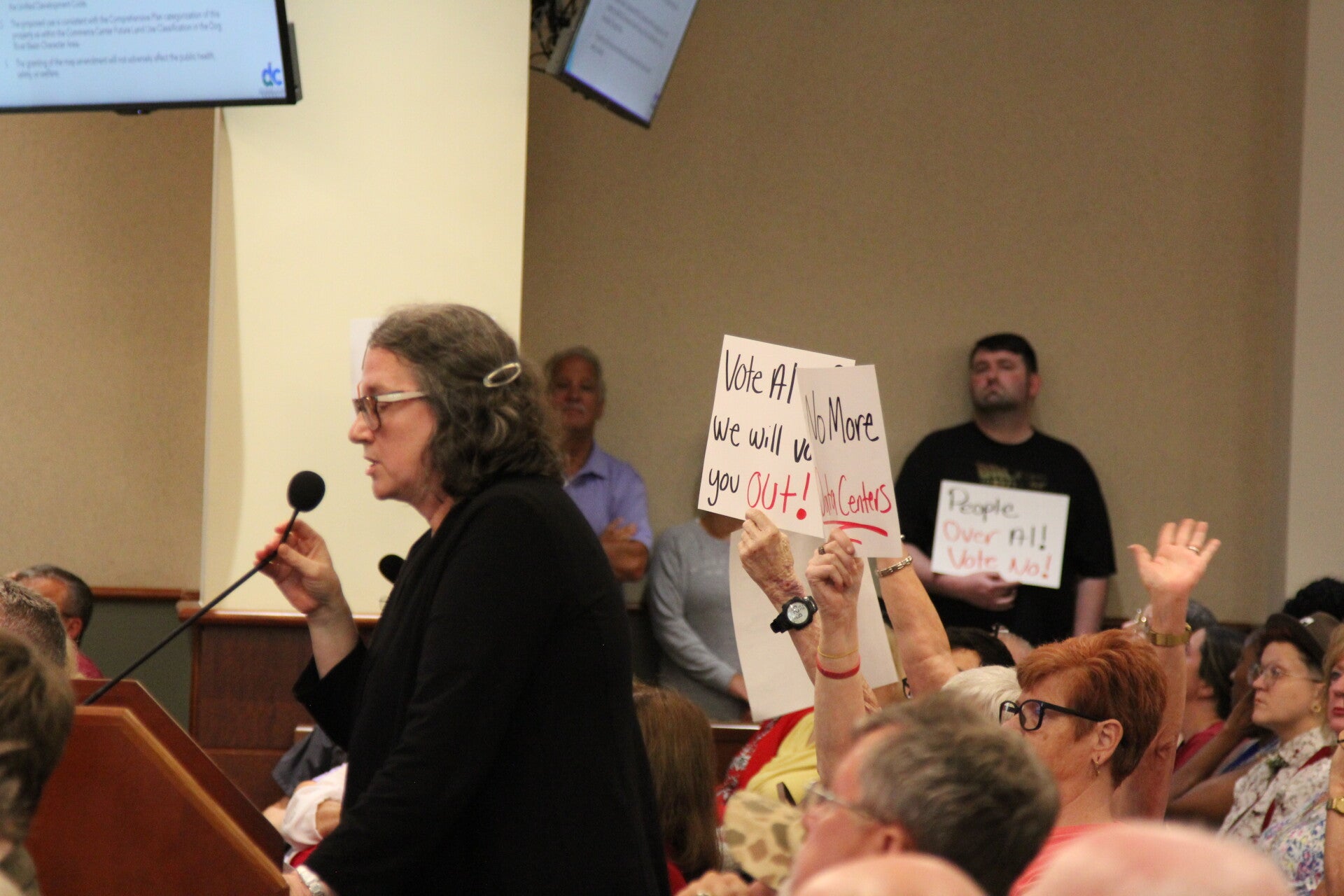
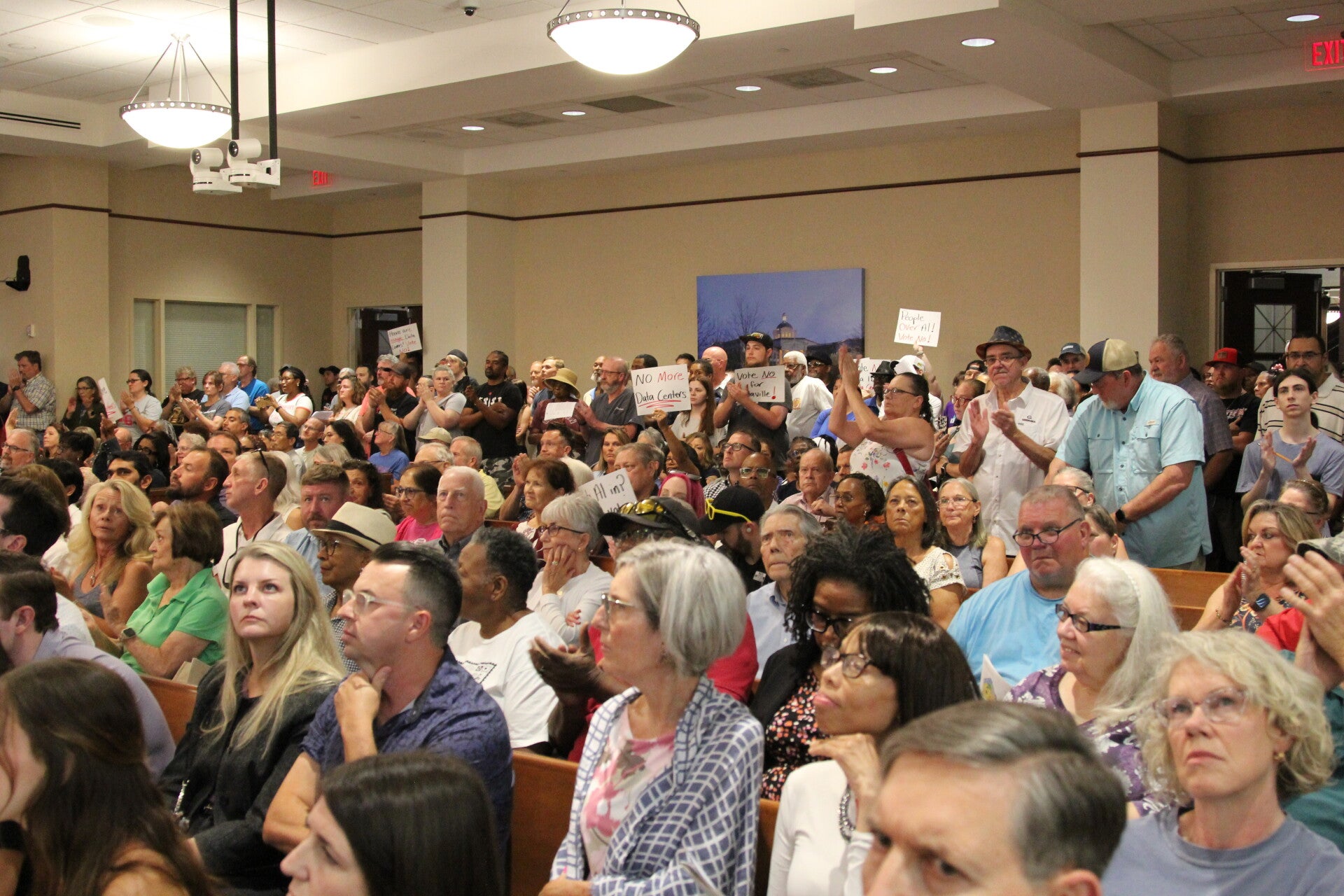
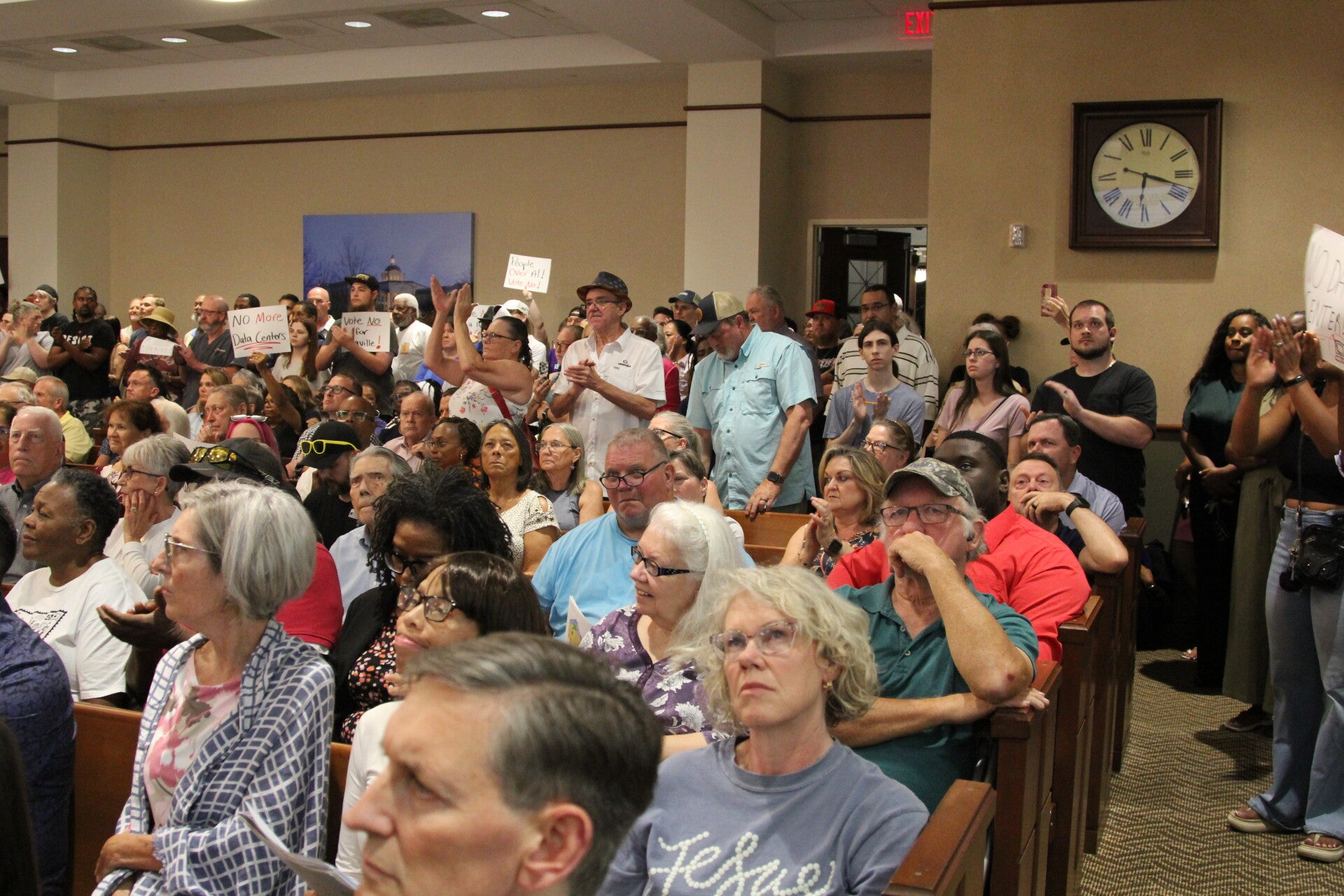
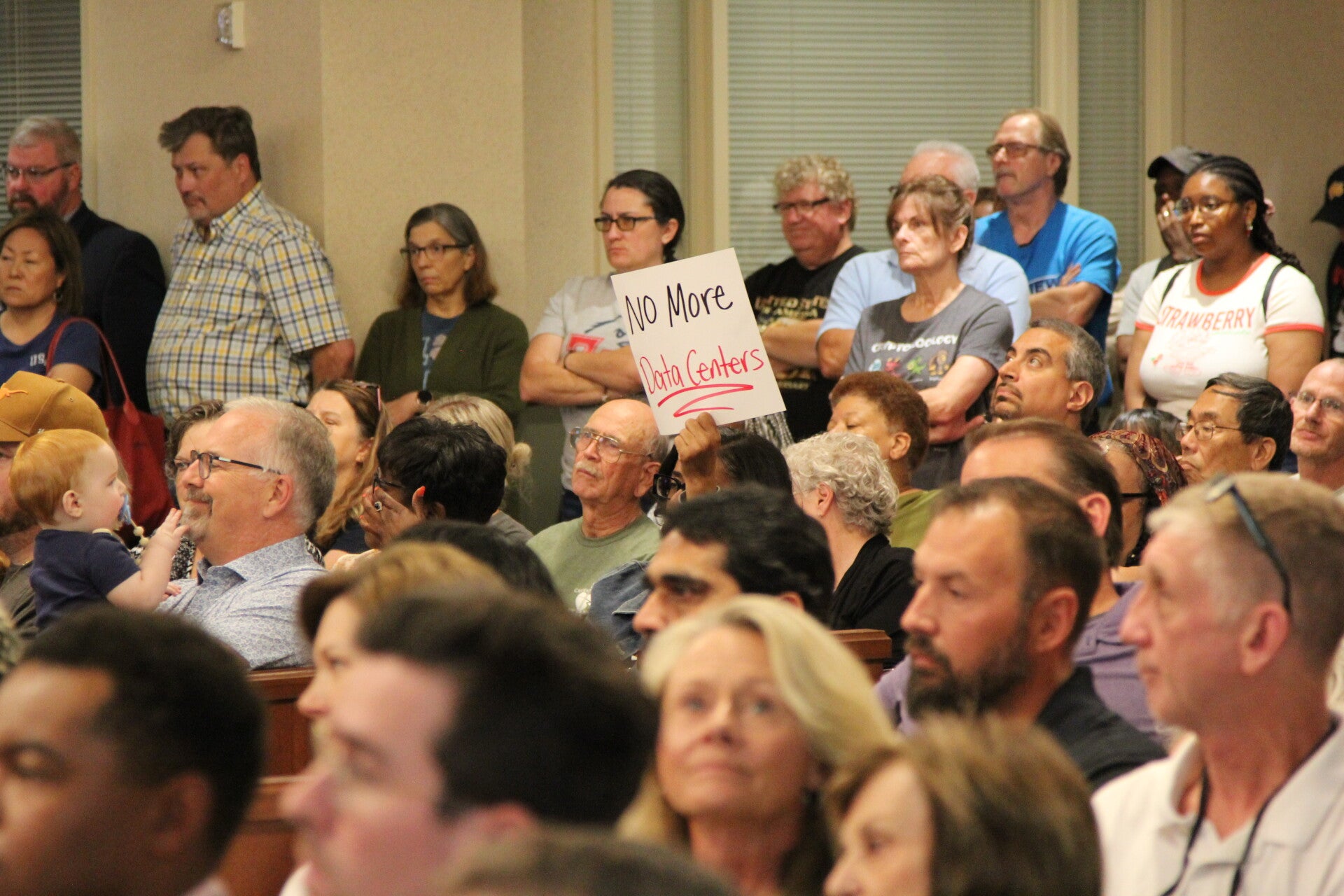
On July 7, 2026, Citizens Hall inside the Douglas County Courthouse became more than a government meeting space. It became a place where residents demanded to be seen, heard, and respected. The room was filled wall to wall with people who understood that the decision before county leaders would reach far beyond a parcel of land. It would help determine what kind of growth Douglas County accepts, what burdens local families are expected to carry, and how much influence the public truly has over the future of the place it calls home.
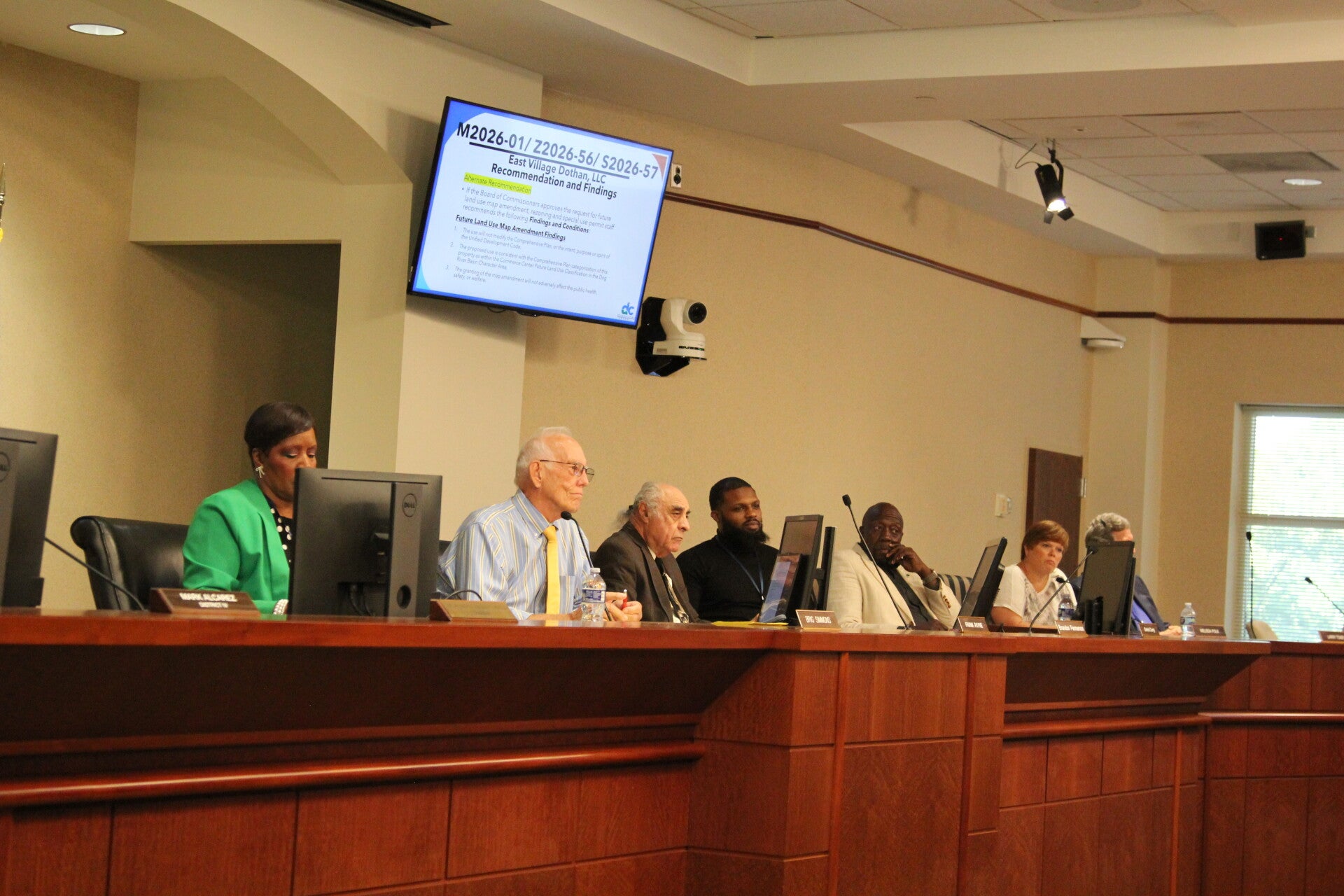
The proposal would have cleared the way for a data center campus totaling about 4.4 million square feet across more than 700 acres near the Interstate 20 and Liberty Road area. After an intense public hearing that drew residents on both sides, the Douglas County Board of Commissioners voted 4 to 1 to deny the rezoning request. The decision brought cheers inside the chamber and sent a clear message beyond the courthouse walls: growth cannot be separated from the people who must live with its consequences.
More Than a Zoning Case
Calling the hearing a zoning matter would not fully capture what took place. Zoning may have been the legal mechanism, but the deeper issue was trust. Residents were asking whether local development decisions reflect the full value of their neighborhoods, their natural surroundings, their property, their peace, and their long term quality of life. They were also asking whether the cumulative impact of existing and proposed data center development had been given the serious public examination it deserves.
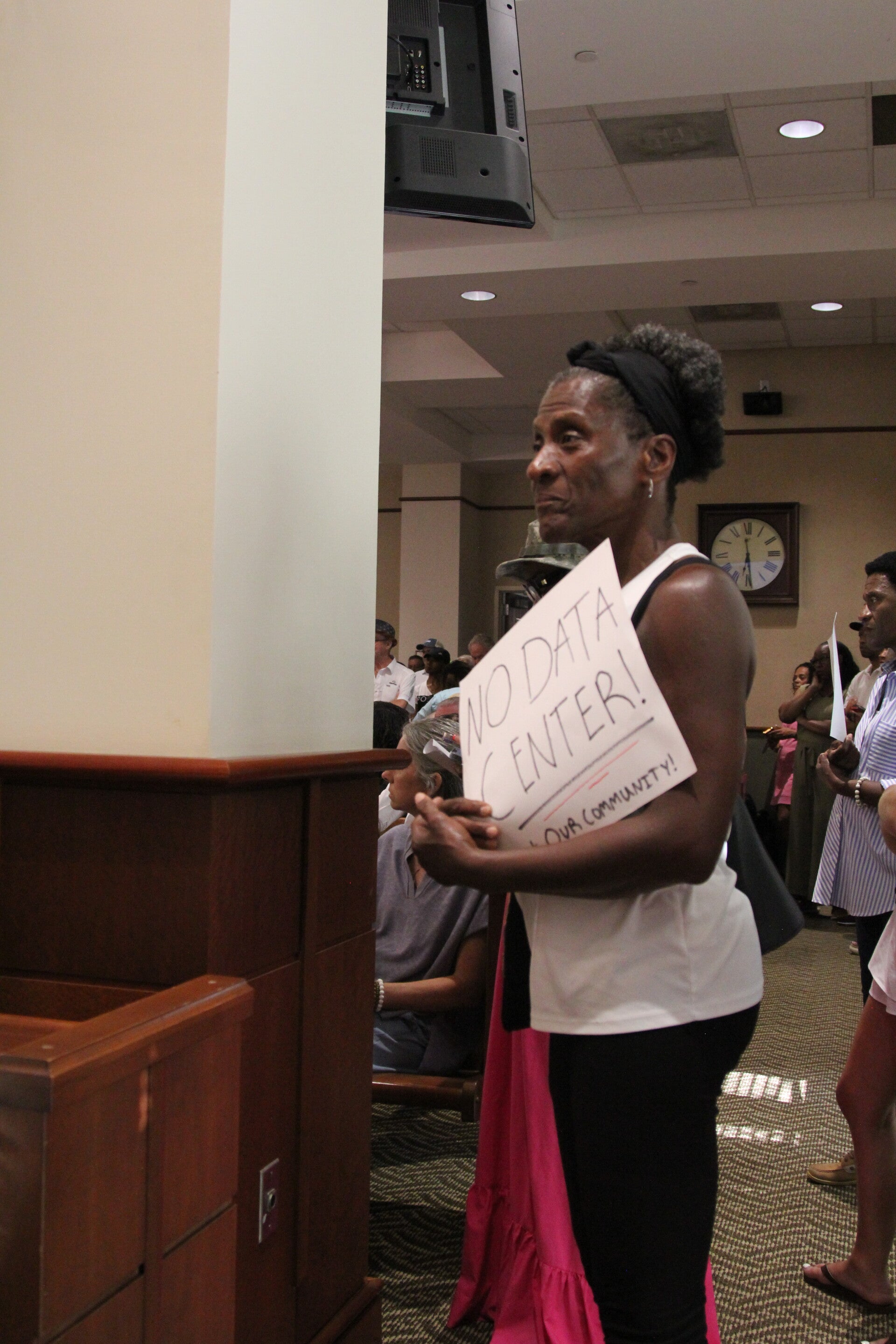
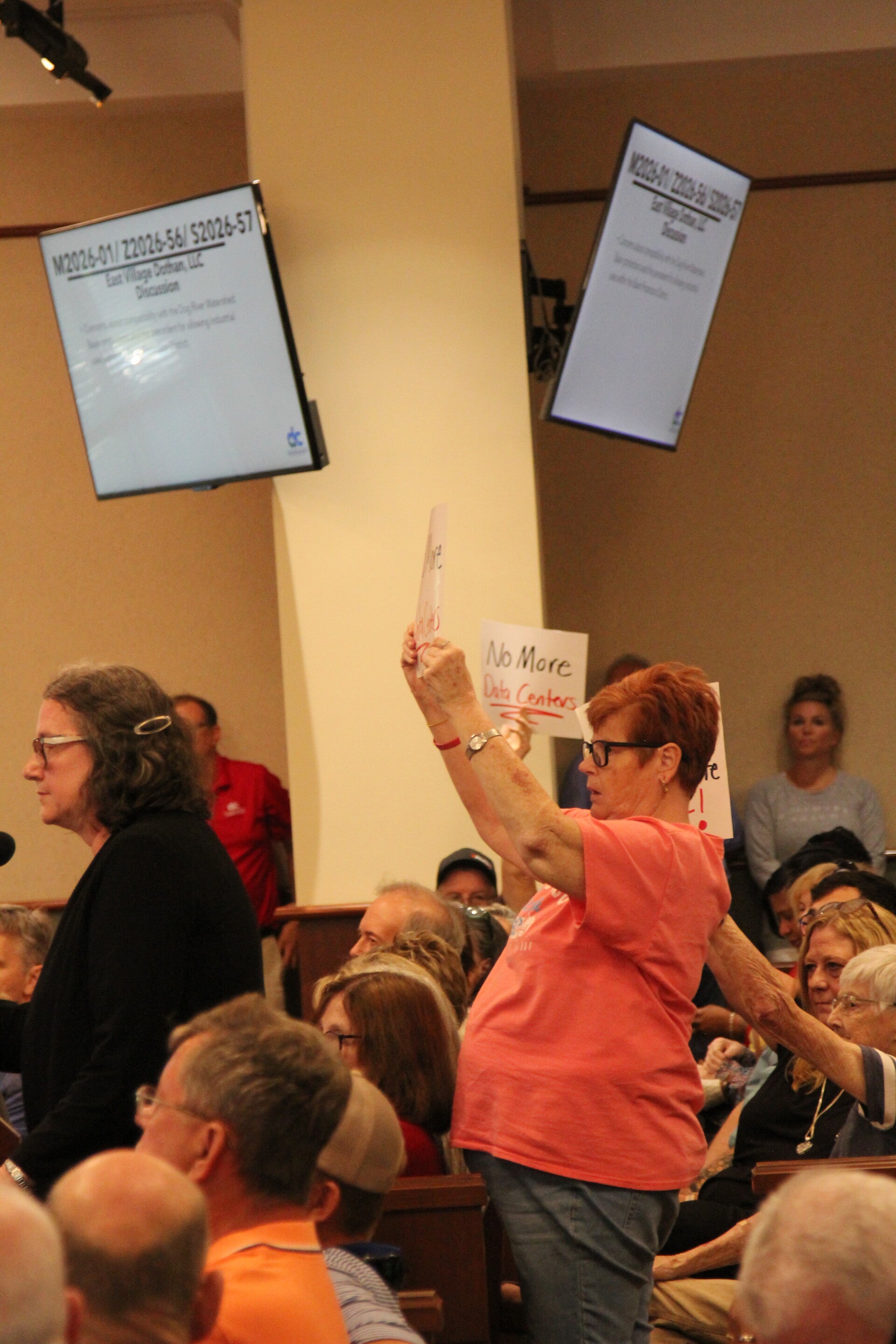
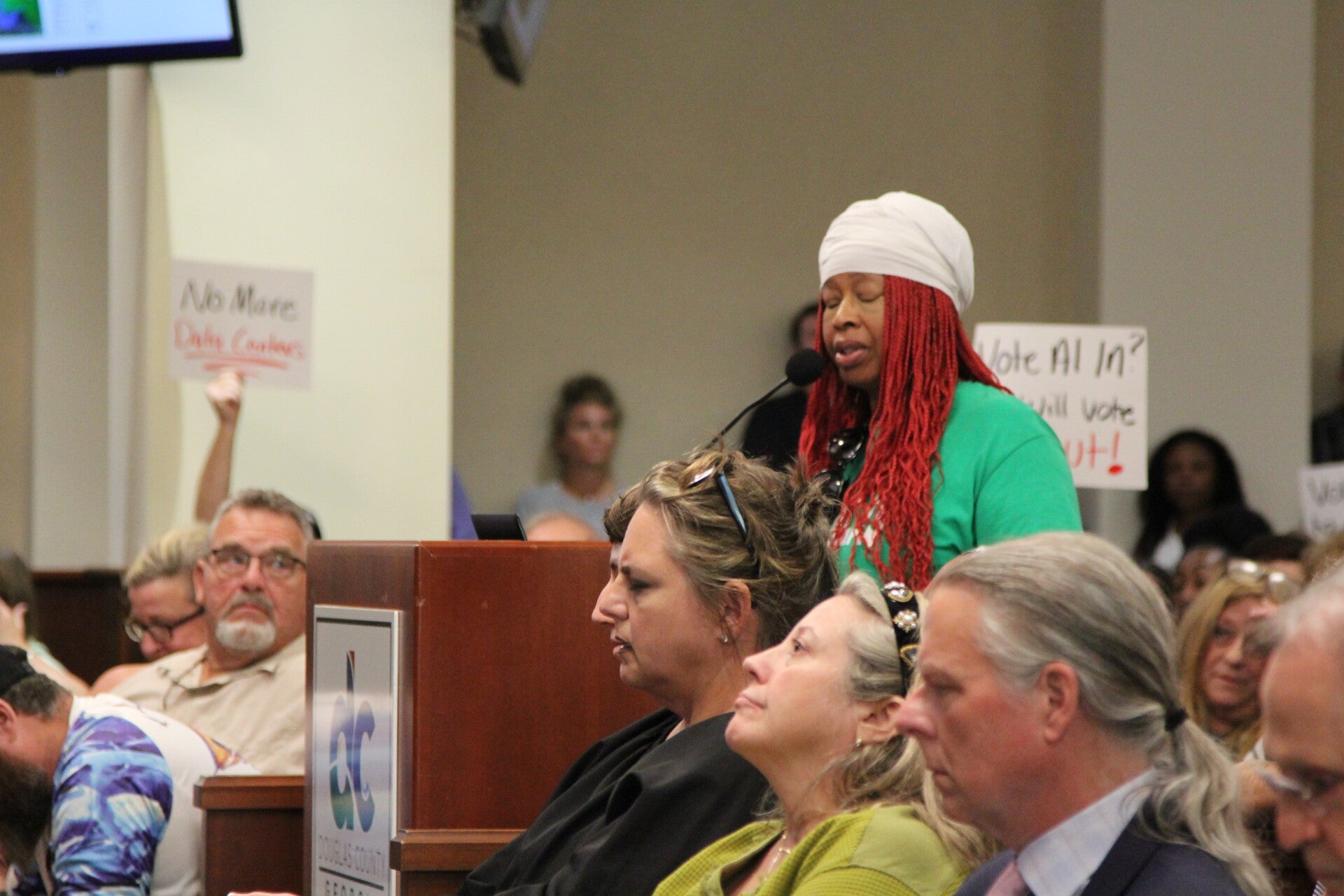
Those opposed to the project did not arrive quietly. They carried signs, used visual demonstrations, and played audio intended to show what constant data center noise could sound like near homes. Their concerns included environmental damage, possible effects on nearby property values, pressure on natural resources, and the continuing transformation of land that residents believe should serve a broader community purpose. Their presence made it impossible to treat opposition as a passing complaint or the resistance of a small group.
County figures reported after the hearing give important context to that concern. Douglas County already has eight operational data center buildings totaling more than 2.5 million square feet. Six more buildings are under construction, eleven additional buildings are under permit review, and another approved project has not yet submitted its building or land disturbance permit applications. For residents who believe their community is becoming oversaturated, the July 7 proposal was not one isolated development. It was another major addition to a much larger pattern.
Progress Must Be Measured by More Than Size
Supporters of the project raised concerns that also deserve to be taken seriously. Douglas County needs revenue. Its roads and public facilities require investment. Residents do not want property taxes to keep rising. Supporters argued that the county must participate in the expanding technology economy and pointed to an estimated 200 to 300 permanent jobs connected to the proposed development.
Commissioner Mark Alcarez, whose district includes the proposed site and who voted to deny the rezoning, warned that the county is 25 years behind in road infrastructure. That warning should not be ignored. A community cannot protect its quality of life without confronting the cost of neglected roads, aging facilities, public safety, and essential services. Rejecting one source of potential revenue does not eliminate those needs. County leaders still have a responsibility to present a credible plan for meeting them.
But financial pressure cannot become a reason to accept every large project placed before the county. A development cannot be called progress solely because it is expensive, technologically advanced, or capable of producing tax revenue. The public has the right to ask how much revenue will actually reach the county, when tax benefits will begin, what incentives may delay those benefits, what infrastructure costs the project may create, how many jobs will go to local residents, and whether the permanent employment promised is proportional to the amount of land consumed.
Those are not anti business questions. They are responsible questions. Strong economic development should survive public scrutiny. It should offer measurable benefits, transparent commitments, enforceable protections, and a clear explanation of why one particular use is the best choice for a community's land. When hundreds of acres are at stake, residents deserve more than broad promises about innovation and future revenue.
The Burden of Development Is Lived Locally
A map can make a proposed site look distant and abstract. The people living near it do not experience it that way. They experience development through traffic, sound, land clearing, changes in the view from their property, pressure on public services, and the fear that the character of their community may be altered without their consent. What appears to be an empty tract to an investor may be part of a family's daily environment, a neighborhood's identity, or a community's remaining sense of openness.
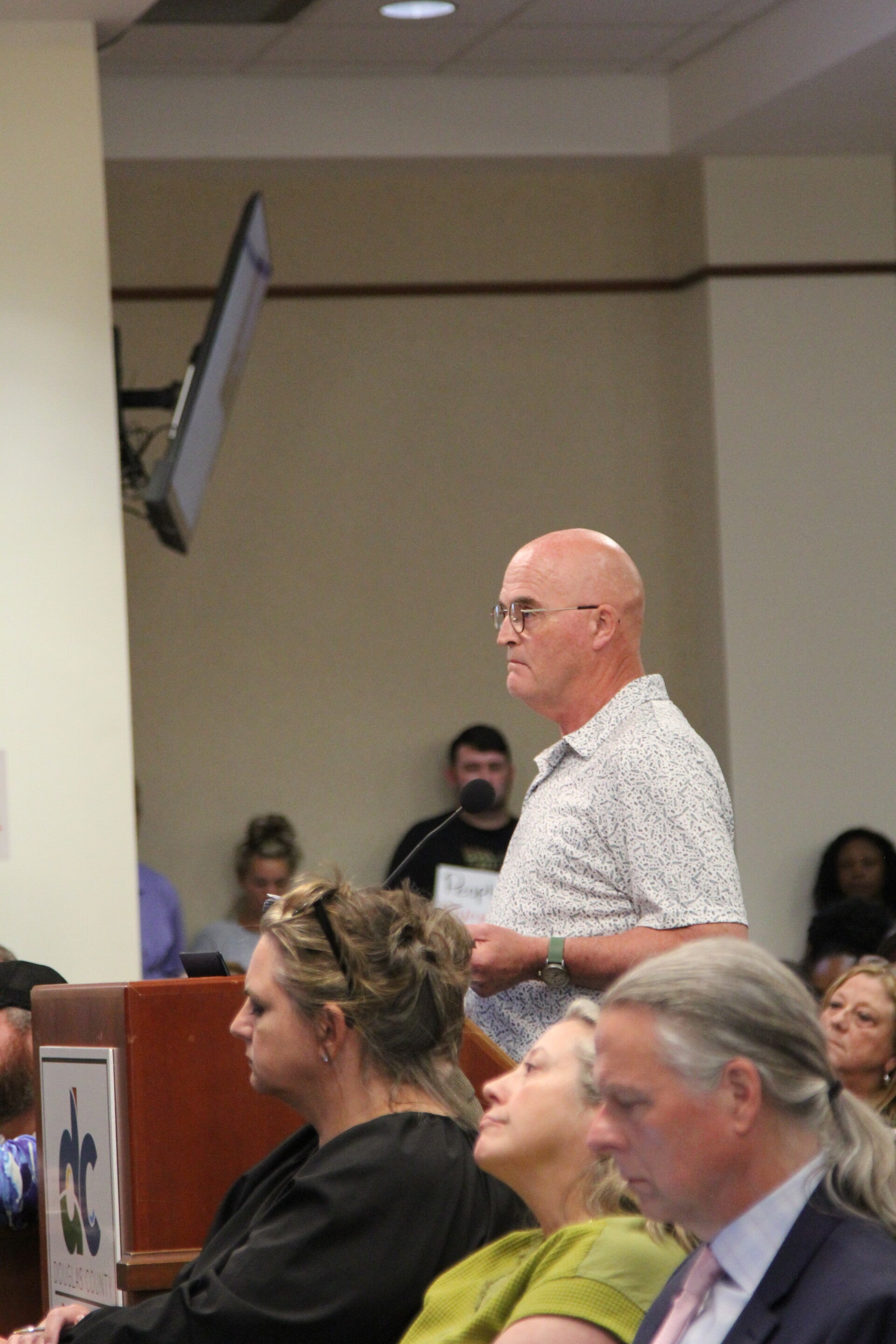
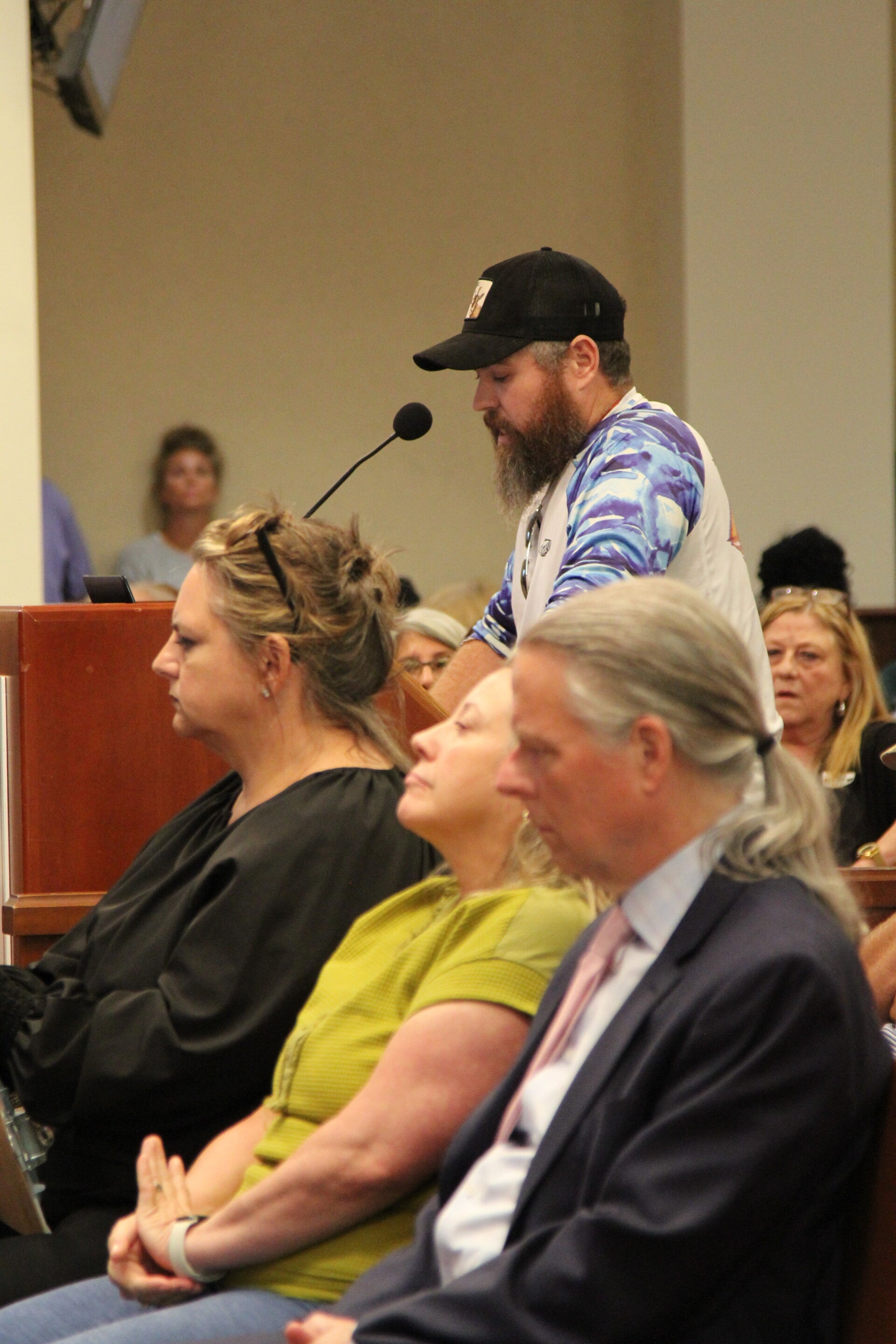
This is why public testimony matters. Technical reports can measure acreage, square footage, traffic estimates, and projected revenue. Residents supply another form of evidence: lived experience. They know where roads already feel unsafe, where flooding or drainage creates concern, where noise travels, where development has changed the landscape, and where trust in local decision making has weakened. Good leadership does not dismiss that knowledge as emotion. It recognizes community experience as essential information.
The July 7 hearing also challenged an old and damaging idea that public opposition is automatically opposition to progress. Residents can support technology, jobs, business, and a stronger tax base while still rejecting a proposal they believe is too large, poorly placed, or part of an unsustainable pattern. Saying no to one project is not the same as saying no to the future. Sometimes it is the clearest way to insist on a better future.
A Powerful Example of Democracy at Work
The most important image from that evening was not simply the final vote. It was the sight of residents filling the courthouse and refusing to surrender their role in the decision. People made time to attend, prepare statements, carry signs, listen to opposing views, and speak directly to those elected to represent them. They transformed concern into participation and participation into influence.
The hearing did not require every resident to agree. Democracy is rarely that simple. Supporters had the right to argue that the project could strengthen the tax base and help the county compete in the technology economy. Opponents had the right to challenge those claims and demand a different vision for the land. The responsibility of the commissioners was to weigh the full record and decide whether the proposal served the public interest. By a 4 to 1 vote, they decided that it did not.
For many residents, that vote restored something that can be difficult to measure: the belief that showing up still matters. Public hearings can feel predetermined when the developer has attorneys, consultants, financial projections, and carefully prepared presentations. July 7 demonstrated that organized residents also carry power. They do not need corporate titles to establish their standing. Their standing comes from living in the community, investing in it, raising families there, and carrying the consequences of the decisions made in their name.
The Vote Should Be a Beginning, Not an Ending
The denial of this proposal is a victory, but it should not be treated as the completion of the larger conversation. Douglas County still needs a clear, public, and comprehensive strategy for data center development. That strategy should examine cumulative impacts, not only one application at a time. It should tell residents how existing facilities, projects under construction, projects under review, and future proposals fit together.
County leaders should require transparent accounting of anticipated tax revenue, tax incentives, road and utility demands, emergency service needs, environmental effects, noise controls, buffers, and long term public costs. Job projections should identify the types of positions expected, the wages attached to them, the timeline for hiring, and the opportunities that will be available to Douglas County residents. Community protections should be enforceable commitments, not voluntary promises that disappear after approval.
Douglas County also needs a more diversified development vision. No community should feel forced to choose between another massive data center and higher property taxes. That is too narrow a choice for a county with people, land, creativity, businesses, and potential that extend far beyond one industry. Local leadership should pursue development that creates a healthy range of jobs, supports small businesses, strengthens commercial corridors, protects neighborhoods, and expands opportunity without concentrating the county's future in one type of project.
Community Voice Is Part of the Infrastructure
Roads, utilities, buildings, and tax revenue are often described as infrastructure. Public trust is infrastructure too. A county cannot build a strong future if residents believe major decisions are made around them instead of with them. Trust is built when information is shared early, questions receive direct answers, competing claims are tested, and public participation has a visible effect on the outcome.
The residents who filled Citizens Hall reminded local government that community input is not an obstacle to development. It is part of responsible development. Their opposition forced a deeper discussion about what Douglas County is becoming and who gets to decide. They asked leadership to look beyond immediate promises and consider the long arc of the county's identity, environment, finances, and quality of life.
This decision should be remembered for what it protected and for what it demanded. It protected the public's right to question a project of extraordinary scale. It demanded a higher standard for growth. It affirmed that the economic future of Douglas County cannot be built by treating residents as an audience invited to listen after the important choices have already been made.
On July 7, Douglas County residents did more than help stop one data center proposal. They reminded everyone that a community is not a blank parcel on a map. It is the homes surrounding that land, the roads leading to it, the environment sustaining it, the families building their lives there, and the voices willing to defend it.
Douglas County said no to this proposal. More importantly, it said yes to public accountability, responsible growth, and the right of a community to shape its own future. That is not a rejection of progress. It is a demand that progress finally answer to the people.
Source Notes
The vote, project scale, location, public hearing details, employment projection, and county development figures were verified through the following sources.
Douglas County Government, Planning and Zoning Board meeting information and July 7 agenda
FOX 5 Atlanta, Douglas County leaders reject massive data center project, July 8, 2026
WSB TV, Permit denied for proposed data center near Interstate 20, July 8, 2026
Editorial position: This article supports responsible growth, transparent review, and the right of Douglas County residents to shape major development decisions.